Understanding Tyre Pressure and Performance
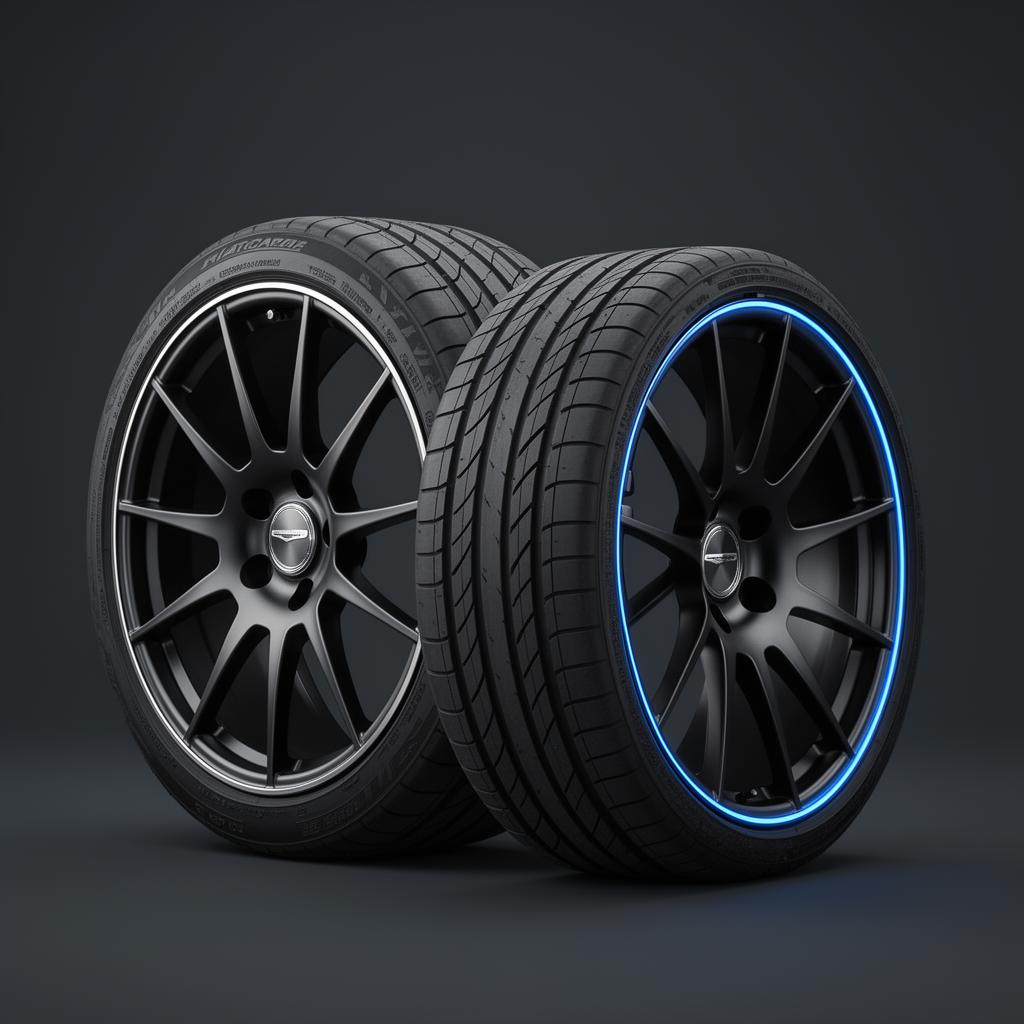
Tyre pressure is one of the most overlooked yet critical factors affecting vehicle safety and performance. Understanding pressure's impact helps you make informed decisions about your tyres.
The Perfect Balance
Tyre pressure is a precise specification, not a suggestion. Manufacturers calculate the ideal pressure based on vehicle weight, suspension, and performance requirements. This pressure is listed in your owner's manual and on the driver's door jamb.
Effects of Underinflation
Underinflated tyres flex more than designed, generating excess heat. This causes: - Accelerated wear on the tyre edges - Reduced fuel efficiency (up to 3% loss per 0.5 bar underinflation) - Poor handling and longer braking distances - Increased risk of tyre failure
Effects of Overinflation
Overinflated tyres don't flex enough, reducing the contact patch. This results in: - Premature wear in the tyre centre - Harsh ride quality - Reduced grip, especially on wet roads - Increased susceptibility to punctures
Temperature Considerations
Tyre pressure increases when tyres heat up during driving. Check pressure when tyres are cold (before driving or after 3+ hours of parking) for accurate readings.
Seasonal Adjustments
Cold weather reduces pressure as air contracts. In Nairobi's climate, pressure changes are minimal, but awareness helps ensure safety year-round.
Regular Monitoring
Make monthly pressure checks part of your routine. A quality tyre gauge is inexpensive and invaluable. Visit us for complimentary pressure checks and guidance.
Share
More Articles
Choosing the Right Tyre: A Complete Guide
Navigate diverse road conditions with confidence. Learn the essential factors for selecting premium tyres suited to Kenyan roads. Kenya's roads present unique challenges that demand thoughtful tyre selection. From smooth highways to pothole-laden streets, your choice of tyres directly impacts safety, comfort, fuel efficiency, and overall driving experience.
Tyre Maintenance Tips: Extend Your Tyre Life
Simple maintenance habits can significantly extend your tyre life and improve safety. Discover expert tips for keeping your tyres in top condition.